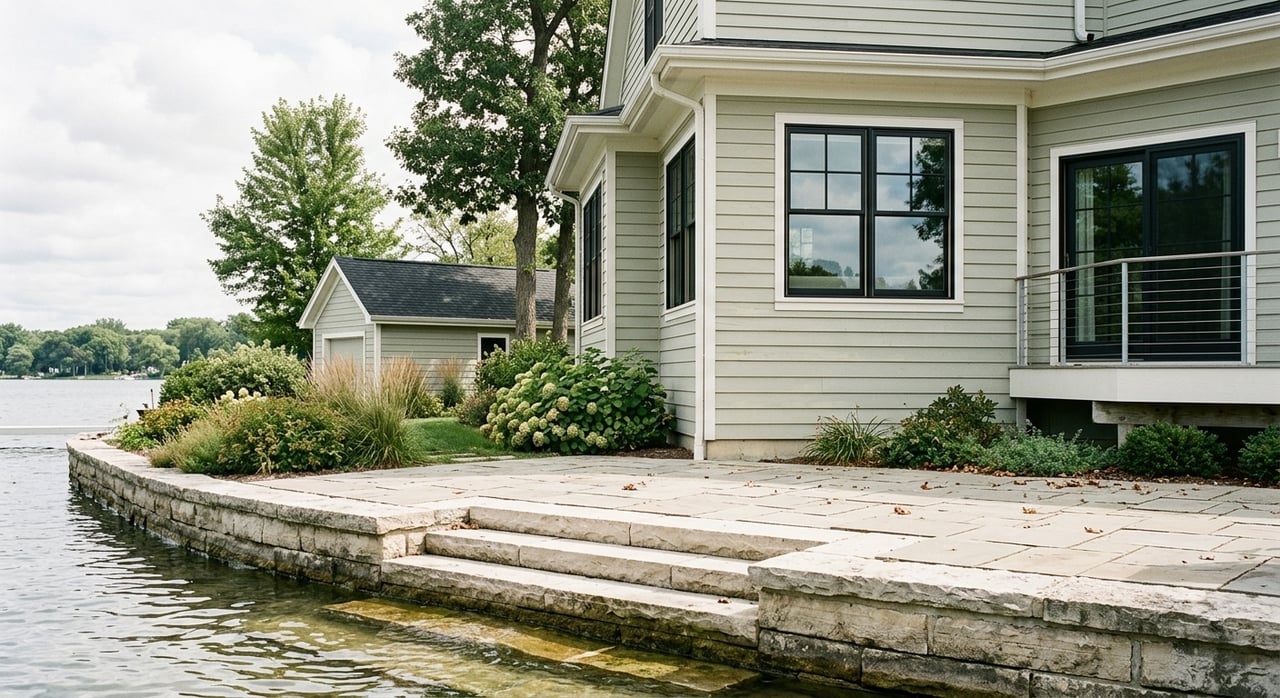
Buying A Lake Home In Syracuse Step By Step
July 2, 2026
July 2, 2026
Dreaming about a place on the water in Syracuse? A lake home can offer beautiful views, easy access to Lake Wawasee or Syracuse Lake, and a lifestyle many buyers have worked toward for years. At the same time, buying on the water comes with extra steps, costs, and property details you do not want to discover too late. This guide walks you through the process step by step so you can move forward with more clarity and confidence. Let’s dive in.
In Syracuse, lake property is not just about the house itself. It is also about shoreline condition, water access, and what you can legally do with the property over time. That matters because Syracuse Lake and Lake Wawasee are connected by a channel, and both are listed by the Indiana DNR as public freshwater lakes with legal lake levels.
The water-level control structures for Lake Wawasee, Syracuse Lake, and Lake Papakeechie are managed by the Turkey Creek Dam and Dike Conservancy District. For you as a buyer, that means water level and shoreline conditions are part of the ownership picture. They are not just background details.
If a home sits on an Indiana public freshwater lake, work at or lakeward of the shoreline often needs written authorization from the Indiana DNR Division of Water. This can include projects such as seawalls, dredging, boat ramps, and boat-well construction or fill. Some temporary structures, including certain piers and boat lifts, hoists, or shelters, may qualify for exemptions or general licenses if they meet state conditions.
That is why future plans should be part of your buying decision now. If you hope to replace a seawall, adjust a dock setup, or improve shoreline stability, check the property records and approvals during due diligence. It is much easier to verify those details before closing than after.
Not every property marketed near the water gives you the same rights. In Kosciusko County, Lake Access Developments are treated separately in zoning, with shoreline footage requirements tied to density, parking, sanitation, and public safety concerns.
In simple terms, a shared-access property can be very different from a true lakefront parcel. Before you move ahead, confirm how access is created, whether it is recorded, and who maintains it. Never assume lake use is automatic just because a listing mentions access.
It is easy to fall in love with a lake view before the numbers are fully worked out. A better approach is to start with your monthly comfort level, then build your search around that number. This can help you shop with confidence and avoid stretching too far.
The CFPB advises buyers to focus on what they can comfortably afford each month, keep updating down payment and closing cost estimates, and compare at least three preapproval offers. A preapproval letter is tentative and often expires after 30 to 60 days, so it helps to time it with the start of serious shopping.
Your mortgage payment is only part of the picture. Homeownership can also include property taxes, insurance, HOA dues, and repair costs. With a lake home, those extra costs may deserve even more attention.
In Indiana, the homestead deduction applies to a principal residence and can reduce property taxes. If the Syracuse property will be a second home or seasonal home, you should confirm the tax treatment with the county auditor rather than assuming the same deduction will apply.
Standard homeowners insurance also usually does not cover flood damage. If a property is in a FEMA Special Flood Hazard Area, separate flood insurance is generally required. That can affect your monthly budget and your long-term ownership costs.
Some Syracuse-area homes may use a private well, septic system, or both. If a home has a private well, Indiana recommends annual testing for bacteria and nitrate, plus testing at least every five years for fluoride, arsenic, lead, and copper.
Because private well water is not regulated like a public water system, you are responsible for testing and maintenance. That makes ongoing care part of the real ownership cost. If repairs are needed, Indiana also recommends using licensed well drillers or pump installers.
Once you find a home you like, the next step is not just deciding on price. It is making sure the property matches your expectations, your intended use, and your comfort level with future maintenance. On a lake property, this review should start early.
Before writing an offer, ask for documentation related to any shoreline work. Indiana DNR says owners should keep records for shoreline projects, even when they believe the work qualified for an exemption or general license. Other approvals may still have been required.
That means you should ask about docks, seawalls, dredging, boat ramps, fill, and other shoreline improvements. If work was done, find out when it happened and whether the paperwork is available. Good records can save you time and uncertainty later.
Kosciusko County permit rules make lot layout especially important. New principal structures require septic and well permits from the county health department, or a letter if the home will connect to public sewer or water.
For additions or accessory buildings, the county health department may require a waiver related to sewage and water requirements. The permit process also expects a site plan showing the proposed work and other structures on the lot. Even some smaller accessory structures that may not need an Improvement Location Permit still must meet setback rules.
Kosciusko County GIS tools can help you see more than listing photos ever will. The county mapping system includes property lines, roads, addresses, creeks and ditches, zoning, and 2-foot contours.
For a lake lot, those details can help you understand slope, drainage patterns, and how usable the site may be for driveways, outbuildings, or other exterior plans. The county area planning office also handles land-use questions and permits for Syracuse and other participating areas, along with stormwater, erosion-control, and flood-control enforcement.
Flood questions should come early, not after you are emotionally committed. CFPB advises buyers to ask about flood and disaster risk, check whether the property is in a FEMA Special Flood Hazard Area, and include an inspection clause in the offer.
Flood risk matters for insurance, but it also affects shoreline stability, crawlspace moisture, and future repair costs. Even if a home looks well-kept, understanding water-related risk can help you make a smarter decision.
A standard home inspection is important, but a lake home often calls for a wider lens. You are not only buying the structure. You are also buying systems, shoreline features, and site conditions that can affect enjoyment and upkeep.
A thoughtful lake-home inspection should look at the roof, drainage, shoreline erosion, septic, well, and any dock or accessory structure that stays with the property. These items can carry meaningful repair costs and should not be treated as side notes.
CFPB recommends using an inspection clause, and professional inspections can help uncover expensive hidden issues before closing. The more complete your inspection process is, the more confident your final decision can be.
When you get close to the finish line, it is worth slowing down again. Small details in the closing phase can shape your rights, monthly costs, and ownership records long after move-in day.
CFPB says your lender must provide the Closing Disclosure at least three business days before closing. Review it carefully so you can compare the final numbers to what you expected and ask questions before closing day.
This is also the time to confirm what transfers with the property. For a lake home, that can include recorded access rights, dock-related items, and other improvements or fixtures tied to the sale.
On a Syracuse lake purchase, clarity matters. If there is a pier, boat lift, shoreline feature, or shared-access arrangement, confirm in writing what is included and what legal rights transfer at closing.
That step can help avoid confusion later. It also gives you a cleaner ownership record if you decide to make changes or sell in the future.
Your work does not end once you get the keys. With a lake home, good recordkeeping can make ownership smoother and protect you if service needs or future resale questions come up.
Keep well test results, septic records, permit paperwork, and maintenance history together in one place. Indiana well-water guidance makes clear that testing and documentation are part of responsible ownership. Organized records can also make future decisions faster and easier.
Buying a lake home in Syracuse can be exciting, but the best experience usually comes from balancing the lifestyle with careful due diligence. When you understand access, shoreline rules, lot conditions, monthly costs, and closing details, you are in a stronger position to buy with confidence. If you want thoughtful guidance as you compare lakefront and lake-access options in Syracuse, connect with Billie Shively.

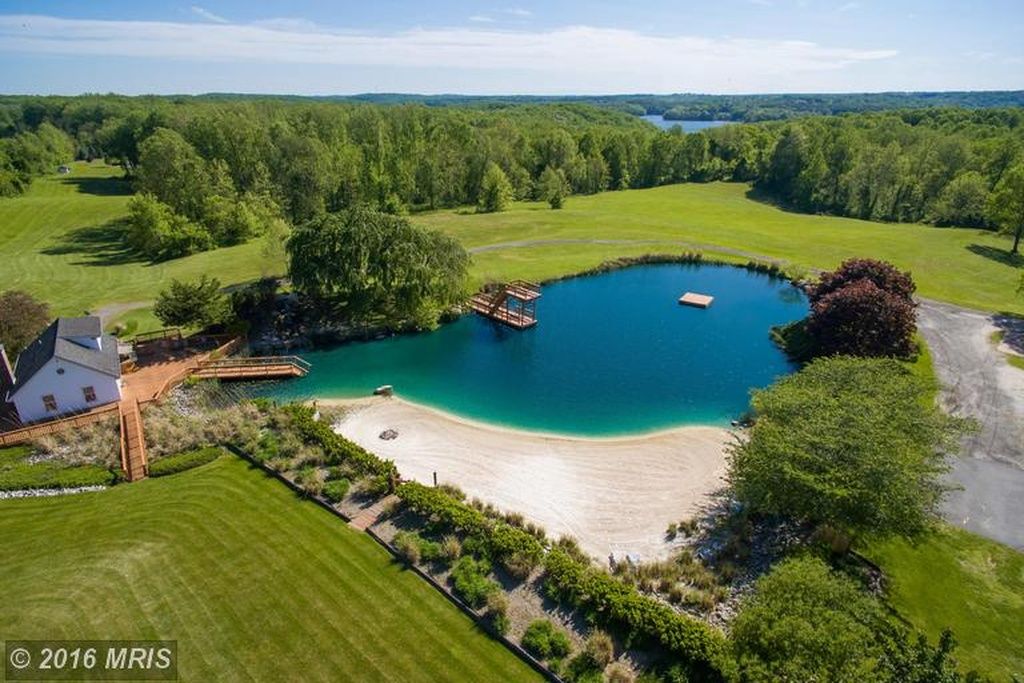
Maximize Its Value
A beautiful pond offers more than picturesque views—it can significantly influence market value, buyer demand, and long-term return on investment.

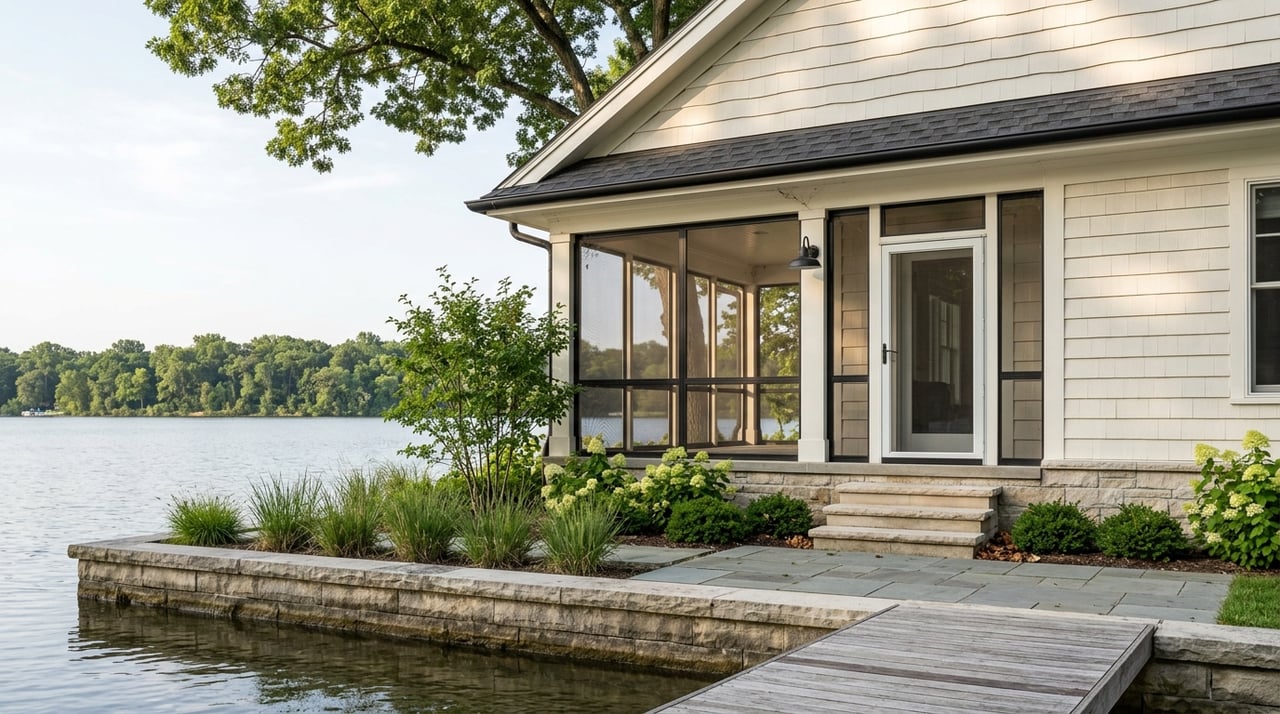

Luxury Marketing
Full-Service Real Estate Support
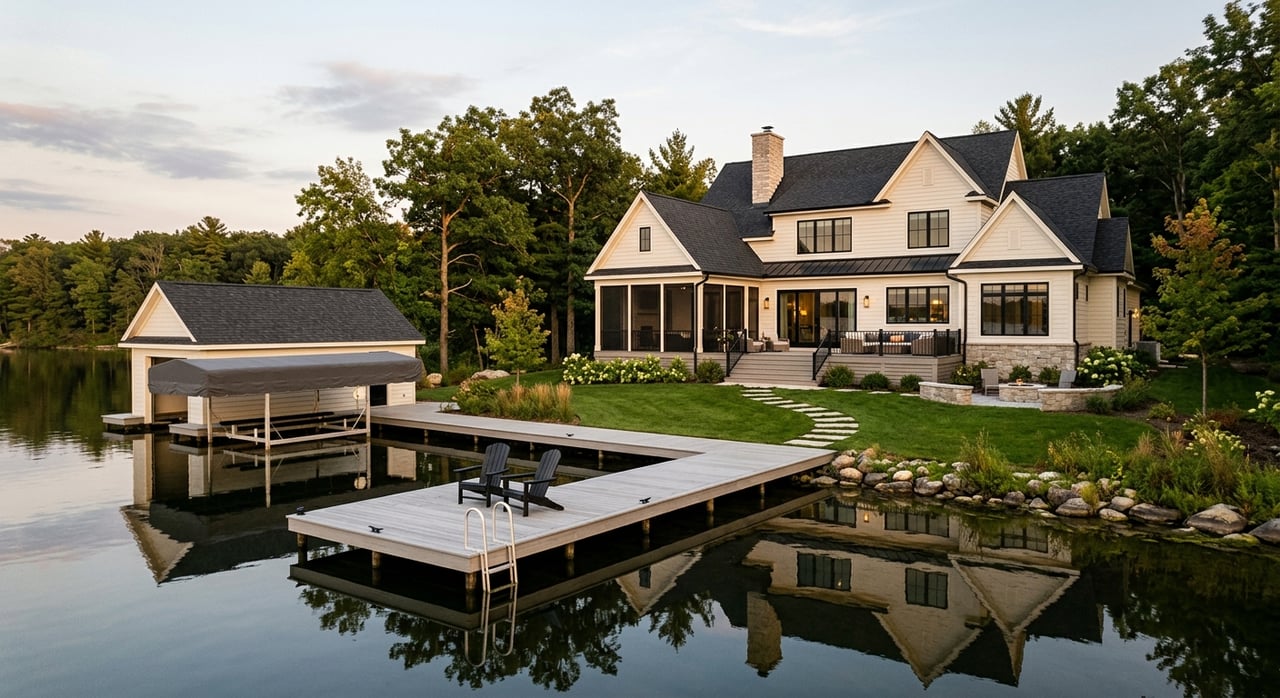

Maximize Its Value
Lifestyle, Financial Opportunity, and Major Milestones

Maximize Its Value
Bridge loans, HELOCs, and buy-before-you-sell programs can help eliminate home sale contingencies and strengthen your offer in a competitive market.
Known for her elevated standards and thoughtful strategy, Billie Shively offers white-glove representation tailored to discerning buyers and sellers. From presentation to closing, she ensures each property is positioned to stand out and perform at the highest level.